

How Are Safety-certified Paper Plates Enhancing Everyday Dining?
Summary: In today's health-conscious and environmentally aware society, using safe and certified disposable tableware has become essential. Safety-certified paper plates offer a hygienic, convenient, and eco-friendly solution for households, catering services, and events. This article explores the benefits, certifications, material considerations, and best practices for choosing safety-certified paper plates, helping consumers make informed decisions.
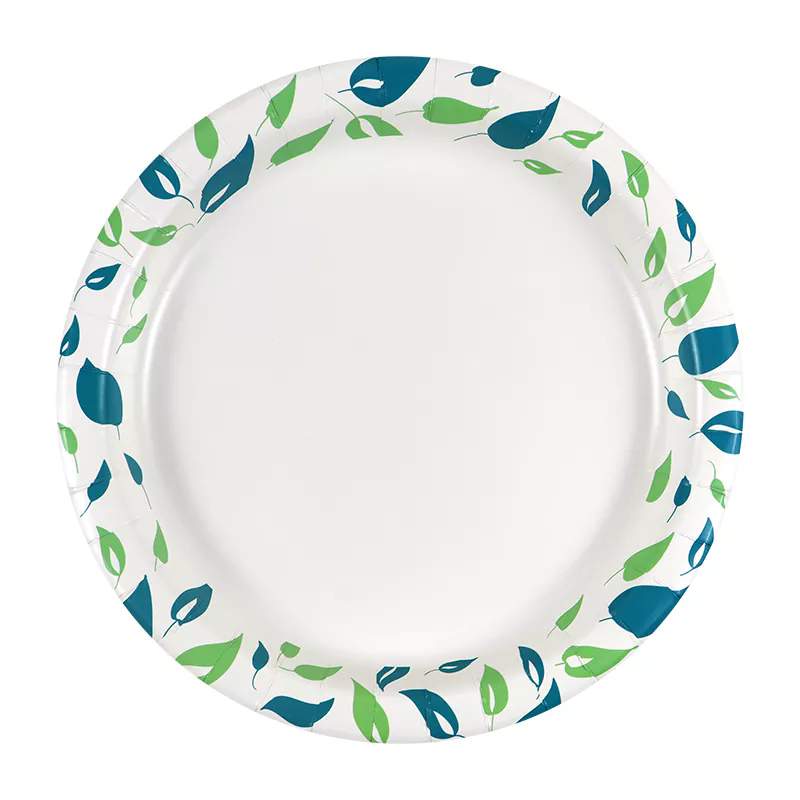
Table of Contents
- Why Safety Matters in Paper Plates
- Key Benefits of Safety-certified Paper Plates
- Understanding Safety Certifications
- Types of Materials Used
- Best Practices for Using Paper Plates
- Comparison Table: Paper Plate Options
- Frequently Asked Questions
- Conclusion & Contact
Why Safety Matters in Paper Plates
Disposable tableware is widely used in homes, restaurants, and large events. However, not all paper plates meet strict safety standards. Safety-certified paper plates are designed to:
- Prevent chemical contamination from inks, dyes, and coatings.
- Maintain hygiene during food handling and serving.
- Ensure durability under hot or moist conditions without leaching harmful substances.
By choosing certified products, consumers safeguard their health while supporting eco-conscious manufacturing practices.
Key Benefits of Safety-certified Paper Plates
Adopting safety-certified paper plates offers multiple advantages:
- Health & Safety: Certified plates ensure food safety by meeting FDA, EU, or local regulatory standards.
- Convenience: Easy disposal after use eliminates washing, making them perfect for parties or picnics.
- Eco-friendliness: Many certified paper plates are biodegradable, compostable, or made from recycled fibers.
- Versatility: Suitable for hot and cold foods, reducing the risk of breakage or leakage.
Understanding Safety Certifications
Not all paper plates are created equal. Look for trusted certifications that validate safety and environmental compliance:
- FDA Approved: Ensures plates are free from harmful substances and safe for direct contact with food.
- LFGB Certification: European safety certification guaranteeing non-toxic and food-safe materials.
- Compostable Certification: Confirms the product breaks down safely in industrial composting facilities.
Types of Materials Used
Understanding the materials used in paper plates helps in selecting the right product for your needs:
| Material | Advantages | Considerations |
|---|---|---|
| Virgin Paperboard | Strong, smooth surface, great for hot foods | Less eco-friendly, higher cost |
| Recycled Paper | Environmentally friendly, cost-effective | May absorb moisture faster |
| Bamboo Fiber | Biodegradable, sturdy, natural look | Limited availability, slightly higher price |
| Sugarcane Bagasse | Compostable, heat-resistant, eco-friendly | Best for short-term events |
Best Practices for Using Paper Plates
To maximize safety and effectiveness, consider the following tips:
- Use plates within their recommended temperature range.
- Avoid microwaving non-microwave-safe plates to prevent chemical leaching.
- Store in a dry, clean environment to prevent contamination.
- Pair with biodegradable utensils for a fully eco-friendly dining experience.
- Always check for certification marks before purchase.
Comparison Table: Paper Plate Options
| Feature | Safety-certified Paper Plates | Standard Disposable Plates |
|---|---|---|
| Health Safety | High (certified, non-toxic) | Medium to Low (varies by manufacturer) |
| Environmental Impact | Low (biodegradable/compostable) | High (plastic-coated, non-recyclable) |
| Durability | Moderate to High | Low to Moderate |
| Cost | Moderate | Low |
| Convenience | High | High |
Frequently Asked Questions
-
Q1: Can safety-certified paper plates handle hot foods?
Yes, most certified plates are designed for hot foods, but always check the product specifications. -
Q2: Are these plates eco-friendly?
Many safety-certified paper plates are biodegradable, compostable, or made from recycled materials. -
Q3: Can I use these plates in the microwave?
Only plates labeled microwave-safe should be used to prevent chemical leaching and structural damage. -
Q4: How do I identify a certified plate?
Look for recognized certification logos such as FDA, LFGB, or compostable certifications on packaging. -
Q5: Are safety-certified plates more expensive?
They may cost slightly more than standard disposable plates but provide health, safety, and environmental benefits that outweigh the price difference.
Conclusion & Contact
Safety-certified paper plates from Bestree combine convenience, hygiene, and environmental responsibility. By choosing certified products, households and businesses can ensure safer dining experiences while contributing to a sustainable future. Whether for daily use, parties, or large events, certified plates offer peace of mind, durability, and eco-conscious benefits.
Upgrade your dining experience today with Bestree's safety-certified paper plates. For bulk orders, inquiries, or further information, contact us and our team will provide personalized support and solutions.
Send Inquiry
-
E-mail