

The growing use of 10in Paper Plates 56CT reflects how modern foodservice is balancing convenience, material choices, and everyday practicality. From family gatherings to catering operations, disposable tableware is changing as people look for products that are easy to use while aligning with broader sustainability goals.
Disposable plates have always played an important role in situations where speed, hygiene, and simple cleanup matter. However, expectations around these products have changed. A plate today is not only expected to hold food properly but also fit into a more responsible approach to resource use and waste management.
The shift is especially noticeable in foodservice environments, outdoor events, offices, and large gatherings where hundreds of meals may be served in a short period. These applications require tableware that combines reliable performance with practical storage, handling, and disposal considerations.
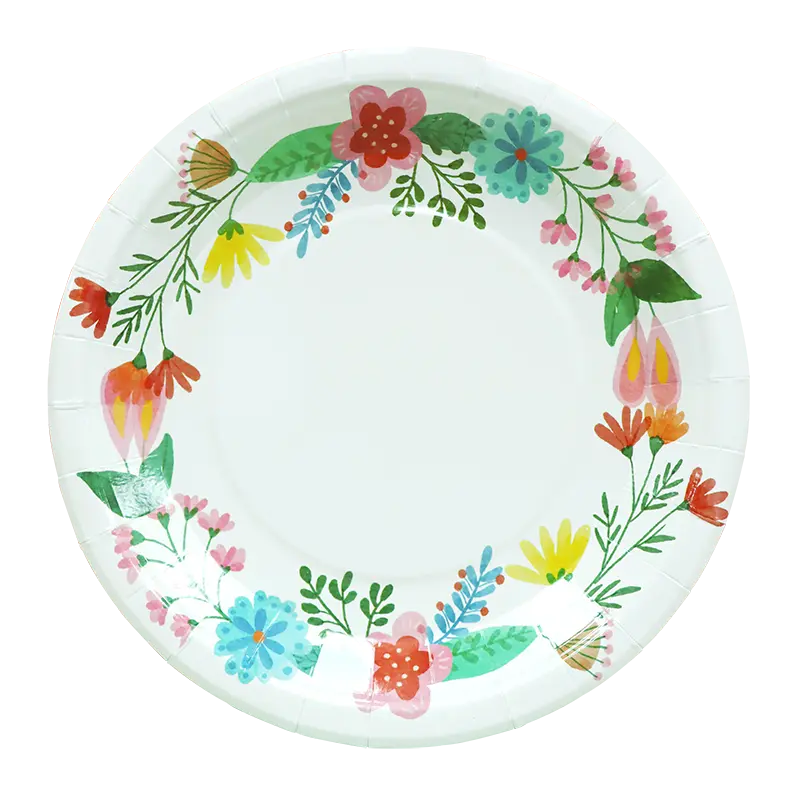
The Changing Role of Disposable Paper Plates in Foodservice
For many years, disposable plates were mainly chosen for convenience. They reduced cleaning time and provided a simple solution for temporary dining situations.
Today, the decision-making process has become more detailed. Restaurants, catering teams, event organizers, and households are paying more attention to:
- Material composition
- Food-contact safety
- Plate strength
- Resistance to moisture and oil
- Packaging efficiency
- Environmental impact after use
The industry is gradually moving away from viewing disposable tableware as a purely short-term product. Instead, it is becoming part of a larger discussion about responsible consumption and efficient food service operations. Reports on the disposable plate market indicate that demand for fiber-based and paper-based alternatives continues to grow as sustainability concerns and changing regulations influence product development.
Why the 10-Inch Size Remains Popular
Among different disposable plate formats, the 10-inch size has become a common choice because it provides a balance between serving capacity and convenience.
A plate that is too small may not handle complete meals comfortably, while an oversized plate can increase storage requirements and material usage.
| Application | Why 10-Inch Plates Fit the Need |
|---|---|
| Family meals | Provides enough space for main dishes and side items |
| Catering events | Supports standard meal portions |
| Office lunches | Easy to distribute and handle |
| Outdoor activities | Convenient for portable dining |
| Community gatherings | Suitable for large-volume food service |
This practical size has helped products such as 10in Paper Plates 56CT remain relevant in different dining environments where flexibility is important.
Sustainability Is Becoming More Practical
The conversation around sustainable tableware has become more specific in recent years. Instead of focusing only on whether a product is disposable, people are asking how it is made, how it performs, and what happens after use.
Paper-based plates have gained attention because they are familiar, lightweight, and widely used in foodservice. At the same time, the industry continues to explore ways to improve strength, moisture resistance, and overall functionality while reducing unnecessary material impacts.
The movement toward sustainable disposable products is not simply about replacing one material with another. It is about creating products that work effectively while considering the complete lifecycle.
Everyday Performance Matters More Than Appearance
A disposable plate may look simple, but its design directly affects user experience.
During actual use, plates face several challenges:
- Hot food can transfer heat and moisture
- Sauces can increase liquid exposure
- Greasy foods can affect surface performance
- Larger portions require stronger structures
- Outdoor conditions can make handling more difficult
A practical paper plate needs to maintain its shape throughout the meal.
This is why product development has increasingly focused on improving paper structure, forming techniques, and surface characteristics rather than only changing appearance.
Common Performance Factors
| Factor | Importance in Daily Use |
|---|---|
| Strength | Helps prevent bending when carrying food |
| Size | Provides enough space for different meal portions |
| Surface protection | Supports use with oily or moist foods |
| Stackability | Makes storage and transportation easier |
| Consistency | Ensures similar performance across large quantities |
These factors influence whether a disposable plate works well in real-world conditions.
How Foodservice Operations Are Adapting
Foodservice environments continue to change. The growth of takeaway meals, outdoor dining, mobile food services, and event-based catering has increased the need for flexible serving products.
Unlike traditional dining settings, these environments often require quick preparation and simple handling. Disposable tableware must support fast service without creating additional operational challenges.
For example, catering operations may need products that can be transported easily, stacked efficiently, and distributed quickly. Food trucks and temporary food stations often prioritize lightweight products that customers can comfortably carry.
This explains why practical formats like 10in Paper Plates 56CT continue to attract attention. The value comes from matching everyday service requirements rather than relying on unnecessary complexity.
Moving Beyond Traditional Disposable Choices
The disposable tableware industry is experiencing a broader transition. Traditional plastic-based products are facing increased attention because of waste concerns, while paper and fiber-based options are being explored as alternatives.
However, sustainability does not mean ignoring performance.
A disposable plate that cannot handle common foods may create additional waste through replacement or overuse. The future of tableware depends on finding a balance between environmental considerations and functional needs.
Industry discussions increasingly highlight the importance of reducing material impact while maintaining durability, food protection, and operational efficiency.
What Should Be Considered When Selecting Paper Plates?
Choosing disposable plates involves more than checking the size or quantity. Different applications require different performance expectations.
| Consideration | Reason |
|---|---|
| Meal type | Different foods create different moisture and oil challenges |
| Usage environment | Indoor and outdoor events have different requirements |
| Storage space | Packaging efficiency affects logistics |
| Serving volume | Large events require consistent product availability |
| Sustainability goals | Material choices should match operational priorities |
A clear understanding of these factors helps organizations choose products that better match their actual needs.
The Future Direction of Disposable Paper Tableware
The development of products like 10in Paper Plates 56CT represents a wider change in the disposable tableware industry. The focus is shifting from simple convenience toward a combination of practicality, responsible material choices, and improved everyday performance.
As foodservice continues to evolve, disposable plates will remain an important part of many dining situations. Future product development will likely continue exploring better paper structures, improved resistance, and more efficient resource use.
The growing interest in 10in Paper Plates 56CT shows that modern disposable tableware is no longer judged only by price or convenience. Users are increasingly considering how well a product performs, how it fits daily operations, and how it aligns with changing expectations around sustainability. For companies such as Bestree, this industry shift highlights the importance of developing paper-based tableware that responds to real-world foodservice needs while following the direction of more responsible consumption.